
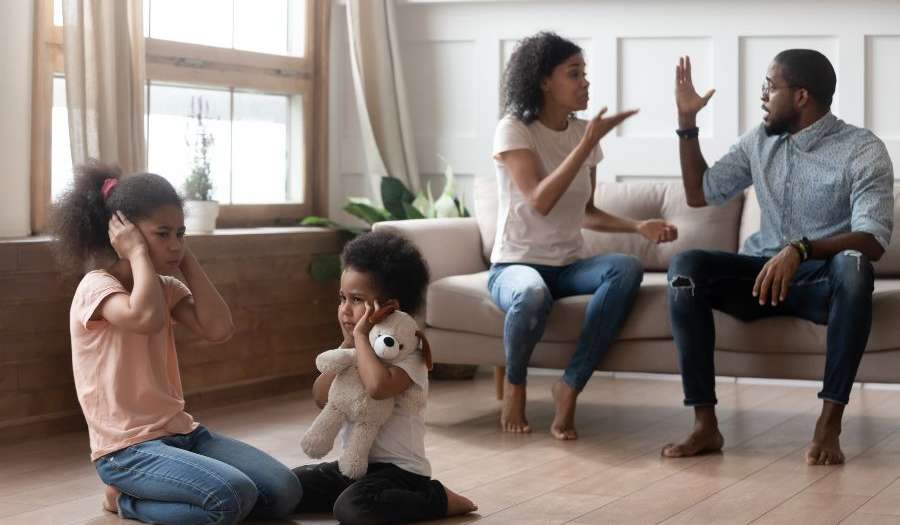
The family is usually the first place where children learn about relationships, communication, and emotional support. However, when conflict arises within the family especially between parents it can create a stressful and unstable environment for children. The way children experience and interpret these conflicts plays a crucial role in shaping their emotional and psychological development. Frequent or intense disagreements can affect how children think, feel, and behave, both in the short term and later in life. Therefore, understanding the impact of family conflict on children is important for promoting healthier family relationships and supporting children’s overall well-being.
The family conflict can affect children in several consistent and well-documented ways. What matters most is not just that conflict exists, but how intense, frequent, and unresolved it is—and how children interpret it.
Here are the most common impacts:
Emotional and Mental Health Effects
Children exposed to ongoing conflict often experience anxiety and constant worry, sadness or symptoms linked to depression and feelings of insecurity or fear. If conflict feels unpredictable or hostile, it can make the home feel unsafe emotionally.
Behavioral Problems
Some children act out as a response to stress aggression or irritability, defiance toward authority and trouble following rules. Others may go the opposite direction and become withdrawn or unusually quiet.
Academic Difficulties
Stress from family conflict can affect concentration and motivation, which can led difficulty focusing in school, lower academic performance and reduced interest in learning
Their mental energy is often taken up by worry about what is happening at home.
Social Relationship Challenges
Children may struggle with relationships because they model what they see or have seen which cause difficulty trusting others, Problems managing conflict with peers, becoming either overly passive or overly aggressive. They may copy unhealthy communication patterns.
Low Self-Esteem and Self-Blame
Many children believe they are responsible for the conflict, “It’s my fault they are fighting”, and feeling unworthy or guilty, this can damage their sense of self over time.
Emotional Regulation Problems
children may have trouble managing their emotions, sudden anger or mood swings, and difficulty calming down, overreaction to small problems; they have not learned healthy ways to process strong emotions.
Long-Term Effects
If conflict is chronic and intense; it can carry into adulthood, increased risk of anxiety or depression, difficulty forming stable relationships and fear of conflict or avoidance of intimacy
In conclusion, family conflict can have a significant impact on children’s emotional, behavioral, social, and academic development. When conflict is frequent, intense, or poorly resolved, children are more likely to experience anxiety, low self-esteem, behavioral problems, and difficulties in relationships. Their sense of safety and stability within the family may be weakened, which can affect their overall well-being
